To Fast or Not to Fast on Yom Kippur
Yom Kippur 5787 begins on sunset Sunday, September 20, 2026, or 10 Tishrei. It is a Jewish fast day, one of 6 communal fasts commonly observed by the Jewish people. These days include
- Tisha B’Av (9Av) commemorates the destruction of the Temples in ancient Jerusalem.
- The Fast of Gedaliah (3 Tishrei) recalls the assassination of Gedaliah ben Ahikam, the Jewish governor appointed by the Babylonians after the destruction of the First Temple.
- The Tenth of Tevet (10 Tevet) commemorates the beginning of the Babylonian siege of Jerusalem. This eventually led to the destruction of the First Temple in 586 BCE.
- The Fast of Esther (13 Adar) is celebrated to remember the fast associated with Queen Esther and the Jews of Persia before Esther approached King Ahasuerus to plead for her people’s survival.
- Seventeenth of Tammuz (17 Tammuz) is a minor fast day recalling the breaching of Jerusalem’s walls before the destruction of the Second Temple.
If you’re looking for more fast days try Ta’anit Bechorot: the fast of the first born observed on the day before Passover. Or perhaps Yom Kippur Katan, a fast day before each new month.
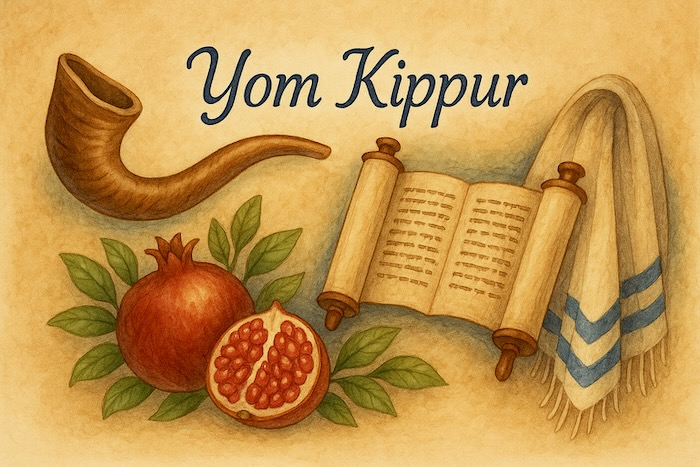
Fasting on Yom Kippur is one of the central practices in Judaism. It starts before sunset and lasts until after nightfall the following day. During this time Jews abstain from eating and drinking.
The Yom Kippur fast serves six functions:
- Repentance and self-examination– It’s a time to look within for the past year’s wrong-doing and sincerely do something about it.
- Seeking Forgiveness– Reach out to people you have harmed this past year and ask them for forgiveness. G-d cannot help you with this.
- Spiritual rather than physical focus– By setting aside your need for food you can focus on prayer, Torah, repentance, and spiritual renewal. By fasting you are placing your soul and relationship with G-d above bodily concerns.
- Humility and Dependence on G-d– Fasting teaches us humility and helps us recognize material comforts are not the ultimate purpose of life.
- Solidarity with the Community– Most of the Jewish community observes the fast together. This creates a shared experience of reflection, responsibility, and hope for the new year.
- Renewal and a New Beginning– Yom Kippur concludes the Ten Days of Repentance, beginning with Rosh Hashanah. Fasting, prayer, and repentance prepare a person to begin the new year with a clearer conscience and a renewed commitment to ethical living.
Besides its religious function, fasting has benefits with weight control—fasting cuts out calories. Some forms of fasting may improve insulin sensitivity and blood sugar control Also a period without food reduces the digestive workload and detoxes your body.
There are downsides to fasting, too. These include hunger, headaches, dizziness, dehydration, and irritability. If you are pregnant or breastfeeding DON’T FAST. If you have diabetes or another medical condition such as kidney, liver, heart, or gastrointestinal issues: DON’T FAST. Jewish law places your health and life above fasting.

This Yom Kippur fast wisely. And one last piece of advice: Drink water when needed. The average adult human body is 60% water. This year temperatures in Southern California will probably reach the low 80s. Becoming dehydrated is a possibility, so please drink water on Yom Kippur to compensate for the lost fluids to the warm weather.
With that said, Tzom Kal (Have an Easy Fast)!