James is the New Jim
Remember your high school English class where you read Mark Twain’s The Adventures of Huckleberry Finn? Author Percival Everett’s favorite character from Twain’s novel must have been Jim, the runaway slave and Huck’s good friend. In his 320-page novel, James: A Novel Everett writes a first-person account from Jim’s point-of-view of life along the Mississippi River during the pre-Civil War era.
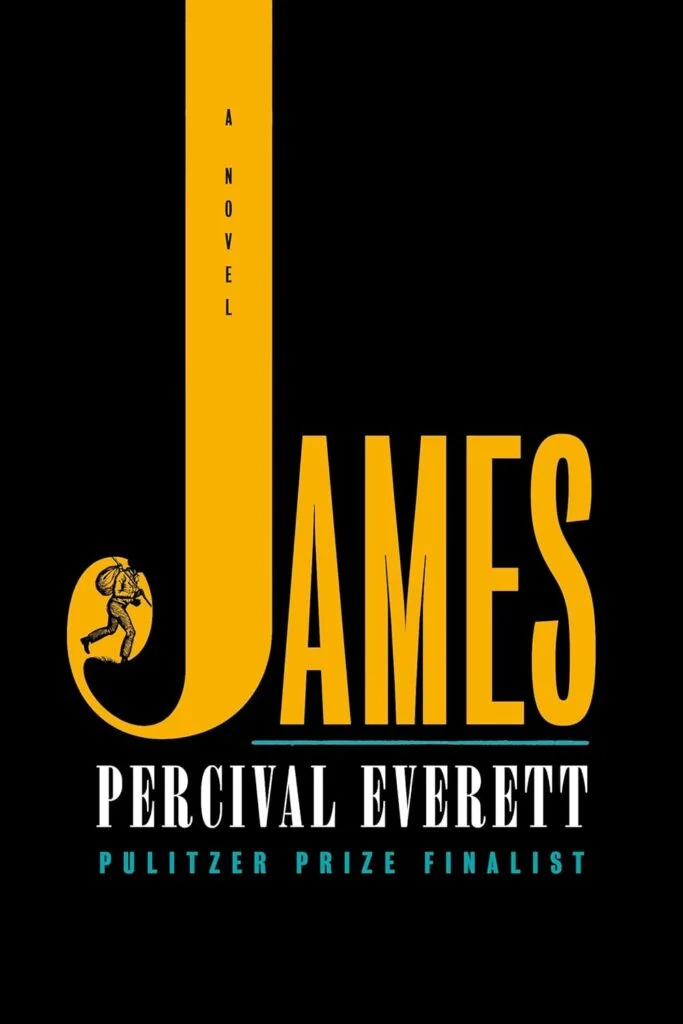
Jim overhears he’s about to be sold away from his wife and child to a new owner in New Orleans. He soon runs with a plan to reach the free states or Canada and earn enough money to buy his family.
James has far more brains than Mark Twain’s novel attributes to the runaway slave. Everett gives him intelligence, wit, an education, and emotional depth that challenge the original story and the way history has often silenced Black voices. In Everett’s novel, James is a clever man who disguises his true intellect in order to survive making language itself a powerful symbol of oppression and resistance.
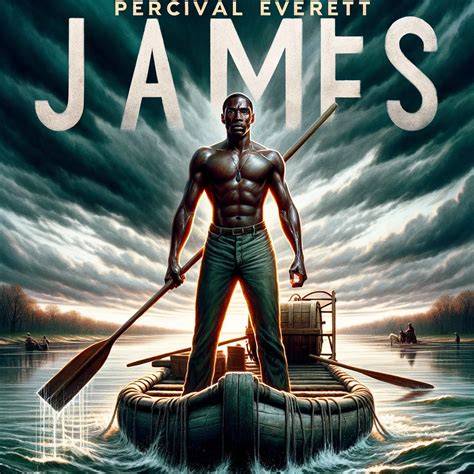
Readers familiar with The Adventures of Huckleberry Finn will recognize many of the landmarks along the Mississippi, but Everett steers the narrative in surprising directions that make James feel entirely its own. Rather than condemning Twain’s masterpiece, Everett expands upon it giving voice to the man who stood beside Huck but whose inner life was largely left unexplored.
James is an entertaining novel that will inspire discussion long after the final page. It won the Pulitzer Prize in 2025, was #1 on the New York Times Bestseller list, and in 2024 it won the National Book Award. My only complaint about the novel is that it ended.
About the Author
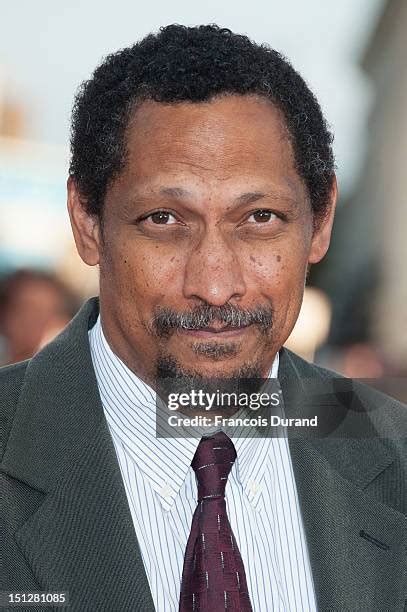
Percival Leonard Everett II is an American author and Distinguished Professor of English at the University of Southern California. He has described himself as “pathologically ironic” and has explored numerous genres such as western fiction, mysteries, thrillers, satire and philosophical fiction. His books are often satirical, aimed at exploring race and identity issues in the United States.



It seems like a novel that is a good history lesson.