Book Review: Lead Sister: The Story of Karen Carpenter
I’ve been a proud Carpenter fan since college. Many of my friends thought I was uncool adoring the “dorky” Carpenters, but I didn’t care. I loved Karen’s voice, and she touched my heart. Year’s later I wanted to learn more about Karen Carpenter and read Little Girl Blue: The Life of Karen Carpenter by Randy L. Schmidt. I learned that Karen came from a dysfunctional family that eventually led to her mental illness. I thought the book was a bit too scholarly and failed to explore who the real Karen Carpenter truly was. So, I bought and read Some Kind of Lonely Clown: The Music, Memory, and Melancholy Lives of Karen Carpenter by Joel Samburg. He did an excellent job of showing Karen’s natural talents and how she and brother Richard complimented each other. Richard’s talent as an amazing arranger created sensational orchestrations and music geared for his sister’s voice.
I knew there was more to Karen Carpenter than I got from those two books, so I invested in Lead Sister: The Story of Karen Carpenter by Lucy O’Brian. She took her subject to a new level studying her contribution to the music industry as a pioneering woman who influenced Madonna, Sheryl Crow and k.d.lang. Karen Carpenter’s vocal style and musical legacy have guided and inspired generations of singers.
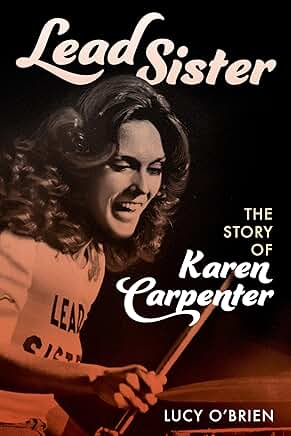
A Deep Dive into the Life of a Legendary Voice
Few figures in music history have captured the hearts of listeners as profoundly as Karen Carpenter. With her velvety voice and hauntingly emotional delivery, Karen became the soul of the Carpenters, a duo that defined a generation. In Lead Sister: The Story of Karen Carpenter, the author delves into the life of this talented woman, peeling back the layers to reveal the soul behind the music. Thoughtful, poignant, and profoundly human, this biography not only celebrates Karen’s artistry but also explores the struggles and triumphs that defined her too-short life.
A Prodigy Shaped by Music
The book opens with an evocative description of Karen’s early life in New Haven, Connecticut, where her love for music was evident from a young age. The author paints a vivid picture of Karen as a curious and determined child, one who initially gravitated toward the drums rather than singing. Her unexpected foray into vocals, which would later become her hallmark, is chronicled with affection and detail. The narrative captures the magic of Karen’s discovery of her voice, with a tone that conveys both awe and inevitability—as if the world was simply waiting for her to find her calling.
Particularly compelling is the book’s exploration of Karen’s relationship with her brother Richard Carpenter, the other half of the iconic duo. Their musical synchronicity is celebrated, yet the author does not shy away from portraying the complexities of their partnership. It’s a tale of shared dreams, creative synergy, and occasional tensions that come with the pressures of fame and differing personalities.
The Sweet Yet Bitter Taste of Stardom
One of Lead Sister’s greatest strengths lies in its balanced portrayal of Karen’s rise to fame. The book does not sugarcoat the challenges she faced, despite her meteoric success. From the pressure to maintain a polished image to the relentless demands of touring, the narrative underscores the toll that such a public life exacted on her private life. The author seamlessly interweaves anecdotes of the Carpenters’ chart-topping hits—such as “Close to You” and “We’ve Only Just Begun”—with the backstage realities that often contrasted sharply with the duo’s serene melodies.
The book also sheds light on Karen’s struggle with self-identity in a male-dominated industry. Despite her incredible talent, Karen often felt overshadowed, both as a woman and as the “lead sister” in a group often perceived as her brother’s brainchild. This theme, reflected in the book’s title, resonates deeply. It highlights the double-edged sword of being a trailblazer: Karen’s contributions to music were groundbreaking, yet she often wrestled with the recognition and respect she deserved.
A Heartbreaking Descent
Perhaps the most heartrending sections of Lead Sister deal with Karen’s battle with anorexia nervosa, a condition that was little understood at the time. The author approaches this topic with sensitivity and nuance, neither sensationalizing her struggle nor glossing over its devastating effects. Through interviews, archival materials, and personal accounts, the book paints a poignant picture of a woman caught between societal expectations and her own insecurities.
The narrative is both eye-opening and chilling, as it chronicles Karen’s attempts to seek help in a world ill-equipped to understand her condition. Her battle becomes emblematic of broader cultural issues—unrealistic beauty standards, the stigma surrounding mental health, and the isolating effects of fame. Yet, the book also highlights Karen’s resilience, her moments of hope, and her unwavering dedication to her craft, even in the face of personal turmoil.
A Legacy Beyond the Notes
Though Karen Carpenter’s life ended tragically at the age of 32, Lead Sister ensures that her legacy as an artist and a person endures. The final chapters are a tribute to her enduring influence on music and culture. The author highlights how her voice continues to captivate new generations, her songs finding a timelessness that few can match. The book also underscores how Karen’s story has inspired greater awareness of eating disorders and the importance of mental health support.
What makes Lead Sister particularly powerful is its refusal to reduce Karen to a single narrative. She is not merely a tragic figure or a musical genius; she is presented as a multifaceted individual—funny, kind, driven, vulnerable, and deeply human. This nuanced portrayal ensures that readers come away with a profound respect for Karen, not just as a performer but as a person.
Writing That Resonates
The prose in Lead Sister is as elegant and evocative as Karen’s voice itself. The author’s meticulous research is evident in the wealth of detail, yet the narrative never feels bogged down by facts. Instead, it flows with a rhythm that mirrors the emotional highs and lows of Karen’s life. Vivid descriptions, insightful commentary, and heartfelt reflections make this biography a compelling read from start to finish.
Conclusion
Lead Sister: The Story of Karen Carpenter is both a homage and a revelation. It celebrates Karen’s unparalleled contributions to music while shedding light on the challenges she faced in an unforgiving industry and society. The book’s strength lies in its ability to balance admiration with honesty, presenting a portrait that is as inspiring as it is heartbreaking.
For fans of the Carpenters, Lead Sister is a must-read, offering new insights into the life of one of music’s most beloved voices. For those unfamiliar with Karen Carpenter, it serves as a poignant introduction to an artist whose impact continues to resonate. Whether you come for the music or the humanity, this book will leave you moved, enlightened, and with a renewed appreciation for the woman behind the mic.
About the Author

Dr. Lucy O’Brien is a writer, academic, and broadcaster. Lead Sister was a Times and Financial Times Music Book of the year in 2023. She also wrote the critically-acclaimed biography about Dusty Springfield, Dusty: the Classic Biography. O’Brien has played in an all girl band, The Catholic Girls, and is currently working on a memoir.




Thinking about Karen Carpenter brings back many memories from my younger years.
I loved her voice. I didn’t really know anything about her life and this book sounds like it will fill me in on the details.